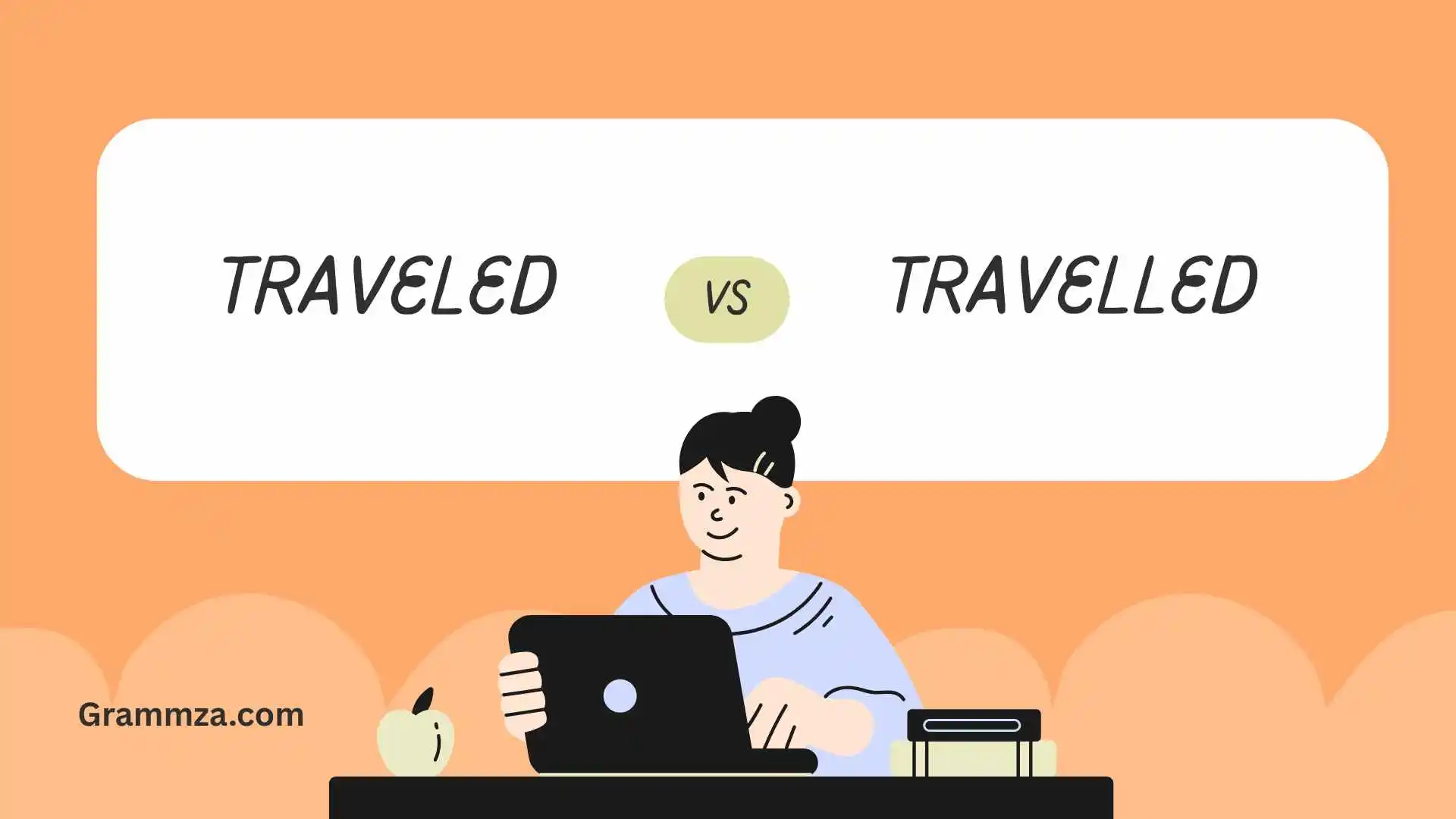
Many English learners often get confused between “traveled” and “travelled.” At first glance, both words look correct, and that’s exactly why people search for “traveled or travelled” so often. The difference lies in spelling, not meaning, which makes it even trickier for beginners.
This confusion mainly happens because English has different spelling rules in different regions. For example, American English and British English sometimes spell the same word in different ways. If you are writing for school, work, or online content, using the correct spelling for your audience is important.
In this article, you will learn the difference between traveled or travelled, when to use each one, and how to avoid common mistakes. By the end, you will feel confident using both forms correctly in your writing.
Quick Answer
Both “traveled” and “travelled” are correct.
- “Traveled” is used in American English.
- “Travelled” is used in British English and most other English-speaking countries.
Meaning and Definition of Each Word
What Does “Traveled” Mean?
“Traveled” is the past tense and past participle of the verb “travel” in American English.
Simple definition:
To go from one place to another (in the past).
Examples:
- I traveled to New York last year.
- She has traveled across the country.
What Does “Travelled” Mean?
“Travelled” has the same meaning but follows British English spelling rules.
Simple definition:
To go from one place to another (in the past).
Examples:
- He travelled to London for work.
- They have travelled around Europe.
Key Differences Between the Words
The main difference between traveled or travelled is spelling style, not meaning.
- Region-based usage:
- Traveled → American English
- Travelled → British English
- Spelling rule:
- American English usually uses one “l”
- British English often uses double “l”
- Meaning:
- Both words mean exactly the same thing
- Pronunciation:
- No difference in pronunciation
Comparison Table
| Word | Meaning | Usage | Example Sentence |
| Traveled | Past tense of travel | American English | I traveled to Texas last summer. |
| Travelled | Past tense of travel | British English | I travelled to Paris last summer. |
Examples in Sentences
Using “Traveled” (American English)
- We traveled by car across the state.
- She traveled alone for the first time.
- They have traveled to many countries.
- He traveled for business last week.
- I traveled a long distance to meet him.
Using “Travelled” (British English)
- We travelled by train across the country.
- She travelled with her friends.
- They have travelled across Asia.
- He travelled to Australia last year.
- I travelled a lot during my holidays.
Common Mistakes
Many learners mix both spellings in the same piece of writing. This is a common mistake.
❌ Incorrect:
- I travelled to New York and then traveled to California.
✅ Correct:
- I traveled to New York and then traveled to California. (American English)
- I travelled to New York and then travelled to California. (British English)
❌ Incorrect:
- She has travelled a lot. (in American English writing)
✅ Correct:
- She has traveled a lot. (American English)
Tips to Remember the Difference
Here are some easy tricks to remember:
- Think of location:
- USA → Traveled (one “l”)
- UK → Travelled (two “l”s)
- Short vs long spelling:
- American English prefers shorter spellings
- Consistency matters:
- Always stick to one style in your writing
- Look at your audience:
- Writing for Americans? Use traveled
- Writing for British readers? Use travelled
When to Use Each Word
Use “Traveled” When:
- Writing in American English
- Creating content for US audiences
- Following American grammar rules
Use “Travelled” When:
- Writing in British English
- Writing for UK, Australia, Canada, or other regions
- Following British spelling conventions
Grammar Rules (Important)
The difference comes from a general spelling rule:
Doubling Rule in British English
British English often doubles the final “l” when adding endings like:
- -ed → travelled
- -ing → travelling
American English Rule
American English usually does not double the “l”:
- traveled
- traveling
Examples:
| Base Word | American English | British English |
| Travel | Traveled | Travelled |
| Travel | Traveling | Travelling |
Synonyms or Related Words
Here are some related words you can use instead:
- Journeyed
- Moved
- Went
- Explored
- Visited
Examples:
- She journeyed across the mountains.
- They explored new cities.
Frequently Asked Questions (FAQs)
1. Is “traveled” or “travelled” correct?
Both are correct. The choice depends on whether you use American or British English.
2. Which spelling is used in the USA?
In the USA, “traveled” is the correct spelling.
3. Which spelling is used in the UK?
In the UK, “travelled” is preferred.
4. Do both words have the same meaning?
Yes, both words mean the same thing: going from one place to another.
5. Can I use both in the same article?
No, it’s better to stay consistent with one spelling style.
6. What about “traveling” vs “travelling”?
The same rule applies:
- American English → traveling
- British English → travelling
Conclusion
The difference between traveled or travelled is simple once you understand it. Both words are correct and have the same meaning. The only difference is the spelling style based on region.
If you are writing in American English, use traveled. If you are using British English, go with travelled. The most important thing is to stay consistent in your writing.
Now that you know the difference, you can confidently use the correct spelling in any situation.

I am Daniel Brooks, a passionate grammar enthusiast who loves making English easy and clear for everyone. I focus on simplifying tricky grammar rules so readers can understand them without confusion. I enjoy creating helpful and engaging content that improves everyday writing skills. My goal is to make learning grammar simple, practical, and enjoyable for all.