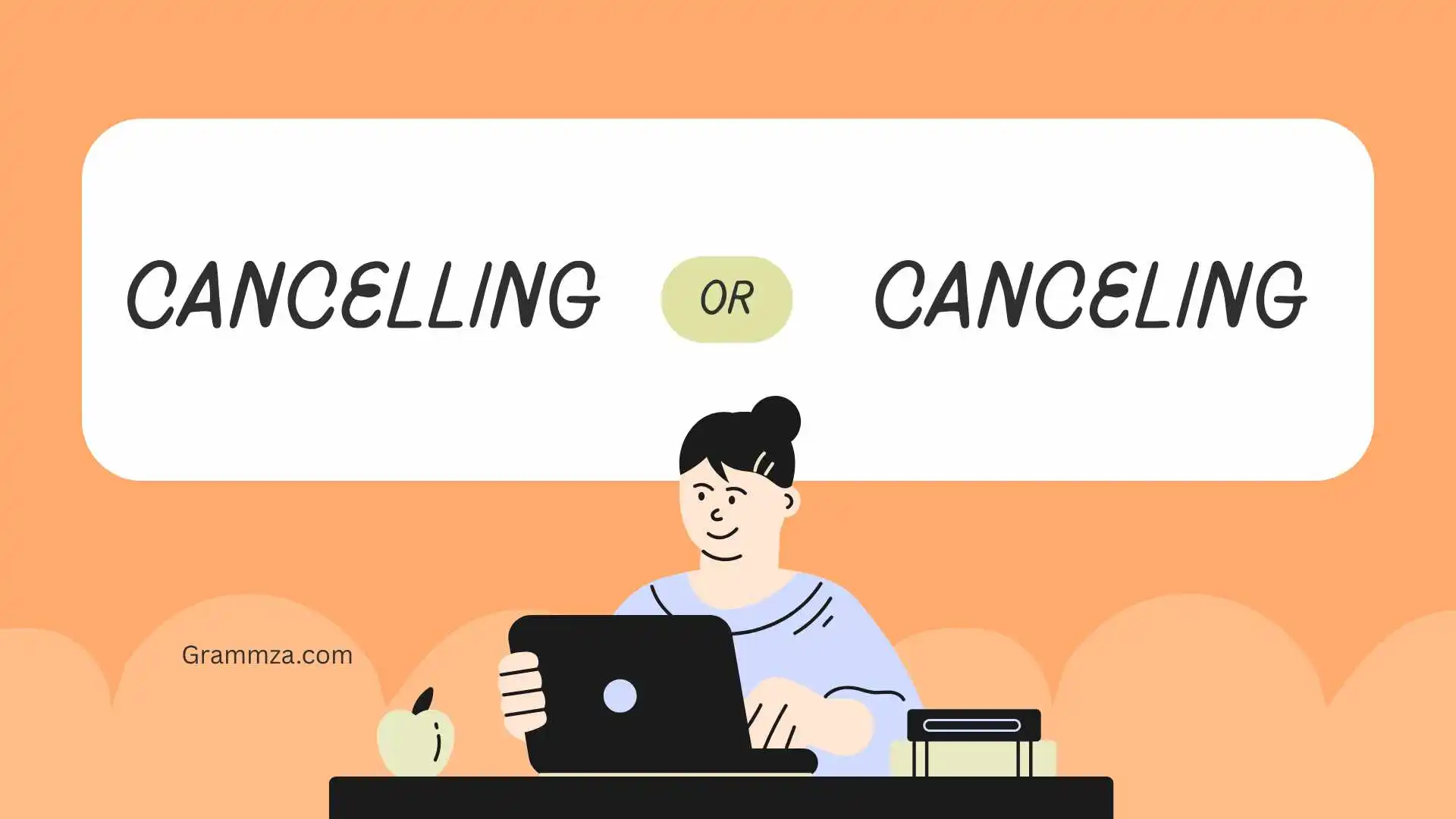
Many English learners and even native speakers often get confused between “cancelling” or “canceling.” At first glance, both words look almost identical, but the difference in spelling can make people unsure about which one is correct. This confusion becomes even more common when writing emails, essays, or professional content.
People search for “cancelling or canceling” because they want to write correctly and avoid mistakes. Since English has different variations like British English and American English, spelling differences can make things tricky. What is correct in one region might look wrong in another.
In this article, you will learn the exact difference between cancelling and canceling, when to use each one, and simple tips to remember them. By the end, you will feel confident using both spellings correctly in your writing.
Quick Answer
Both “cancelling” and “canceling” are correct spellings.
- “Cancelling” is used in British English.
- “Canceling” is used in American English.
The meaning is exactly the same; only the spelling changes based on the region.
Meaning and Definition of Each Word
What Does “Cancelling” Mean?
Cancelling is the present participle form of the verb “cancel” in British English. It means to decide that something will not happen or to stop something.
Examples:
- She is cancelling her trip due to bad weather.
- They are cancelling the meeting today.
What Does “Canceling” Mean?
Canceling is the same verb form but used in American English. It has the exact same meaning as “cancelling.”
Examples:
- He is canceling his subscription.
- The airline is canceling flights because of the storm.
Key Differences Between the Words
The difference between cancelling and canceling is simple and easy to remember:
- Spelling Variation:
- Cancelling → Double “L”
- Canceling → Single “L”
- Region:
- Cancelling → British English (UK, Australia, etc.)
- Canceling → American English (USA)
- Meaning:
- Both words have the same meaning.
- Usage Context:
- Use based on your audience or writing style.
Comparison Table
| Word | Meaning | Usage | Example Sentence |
| Cancelling | Stopping or calling something off | British English | She is cancelling her appointment. |
| Canceling | Stopping or calling something off | American English | He is canceling his gym membership. |
Examples in Sentences
Using “Cancelling” (British English)
- I am cancelling my order today.
- They are cancelling the event due to rain.
- She kept cancelling her plans at the last minute.
- We are cancelling our vacation this year.
- The company is cancelling unnecessary expenses.
Using “Canceling” (American English)
- I am canceling my subscription.
- The school is canceling classes today.
- He regrets canceling the meeting.
- They are canceling flights due to snow.
- She keeps canceling appointments.
Common Mistakes
Many people make simple mistakes when using these words. Let’s look at some common ones:
❌ Incorrect vs ✅ Correct
- ❌ She is canceling her trip. (In British English writing)
✅ She is cancelling her trip. - ❌ He is cancelling the meeting. (In American English writing)
✅ He is canceling the meeting. - ❌ Mixing both styles in one document
✅ Stick to one style consistently
Tips to Remember the Difference
Here are some simple tricks to remember:
- Think of Location:
- UK → Double “L” → Cancelling
- US → Single “L” → Canceling
- British English loves double letters
- Travelling, modelling, cancelling
- American English simplifies spelling
- Traveling, modeling, canceling
- Stay Consistent
- Pick one style and use it throughout your writing
When to Use Each Word
Use “Cancelling” When:
- You are writing in British English
- Your audience is from the UK or similar regions
- You follow British spelling rules in your content
Use “Canceling” When:
- You are writing in American English
- Your audience is from the United States
- You follow American spelling style
Grammar Rules (Important)
The difference comes from a spelling rule in English:
British English Rule:
When adding -ing to a verb ending in a vowel + consonant, the consonant is often doubled.
- Cancel → Cancelling
- Travel → Travelling
American English Rule:
In American English, the final consonant is usually not doubled.
- Cancel → Canceling
- Travel → Traveling
Synonyms or Related Words
Here are some similar words you can use instead of “canceling/cancelling”:
- Stop
- End
- Call off
- Abort
- Terminate
- Postpone (slightly different meaning)
Example:
- They decided to call off the meeting.
- She had to terminate the contract.
Frequently Asked Questions (FAQs)
1. Is “cancelling” correct spelling?
Yes, cancelling is correct in British English.
2. Is “canceling” wrong?
No, canceling is correct in American English.
3. Why does British English use double “L”?
British English often doubles the final consonant when adding suffixes like -ing.
4. Should I use cancelling or canceling?
Use the version based on your audience:
- UK → cancelling
- US → canceling
5. Can I use both spellings in one document?
It is not recommended. Always stay consistent with one style.
6. Which spelling is more common worldwide?
Both are widely used, but canceling is more common online due to American English influence.
Conclusion
Understanding the difference between cancelling or canceling is actually quite simple. Both words mean the same thing, but the spelling depends on whether you are using British or American English.
If you are writing for a UK audience, use cancelling. If your audience is American, go with canceling. The most important thing is to stay consistent throughout your writing.
With practice and these simple tips, you will never be confused about this spelling difference again.